I’ve had the opportunity to correspond and talk with many other Shadow World games over the last decade or so and one aspect I really enjoy is hearing about their own interpretation of the setting; what aspects of Shadow World they use a what they don’t. Some of that trickles into the forums and discord server so it’s clear that no two Shadow Worlds are alike. That’s the way it should be!
I’m always irritated when I read a SW review that describes it as a “kitchen sink” setting. I’ve discussed this before, and it’s probably the result of the early third party modules that varied in style and tone, but it’s also true that the 1st Ed. Master Atlas and even Jaiman could be considered standard fantasy fare. When takes as a whole though, Terry’s collected works, “Canon”, is as distinct in flavor and often very unique in material as any other established setting.
I’m going to avoid a compare and contract situation, but I think Kulthea stands up well compared to the 2 standard AD&D settings: Greyhawk and the Forgotten Realms. It’s certainly more unique than the “white bread” Harn or Midkemia. But like all settings, each campaign, and each GM dips into the materials differently. Perhaps by preference or taste or driven by the players.
Throughout this blog I’ve written quite a bit of material that references my own Shadow World campaign–a campaign that I consider 1 single story despite 30+ years with different groups and players. In my mind, it’s been a continuous narrative, interwoven and ultimately heading towards a climatic conclusion that will never occur!
Over those years, I’ve adopted, discarded and changes a number of setting elements as Terry produced new material and covered new areas but some common elements remain a core part of my campaign style. I thought I’d note a few and invite others to describe their own unique elements in their Shadow World game. For this blog I’m looking for setting elements that are used or not used and not Rolemaster Rules…
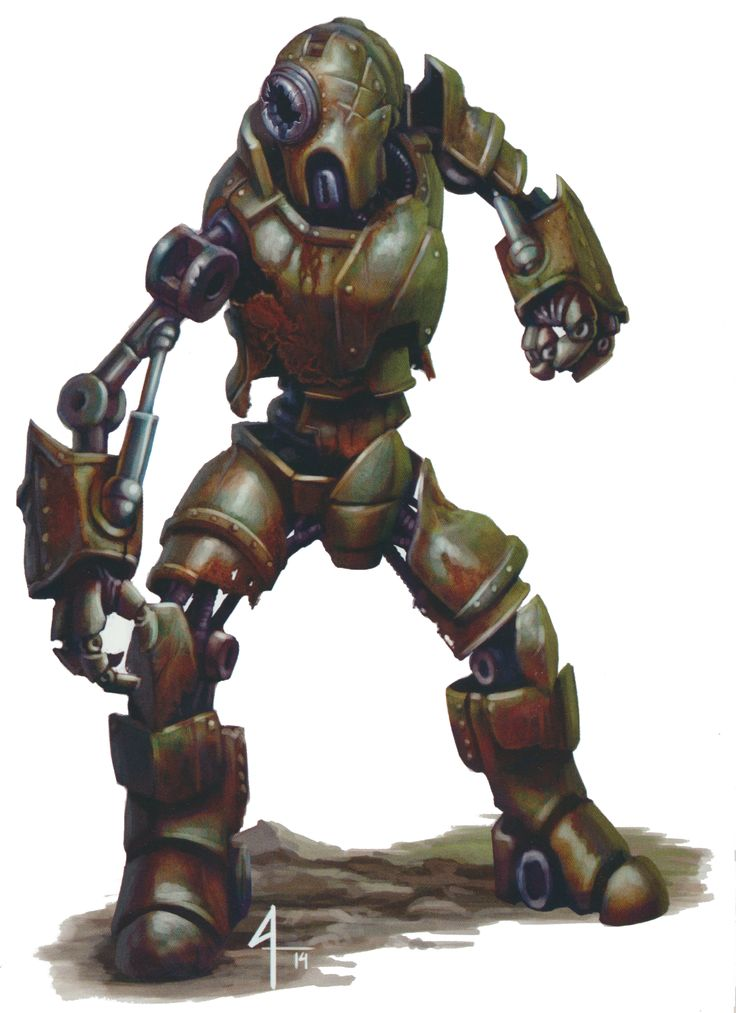
I’ve eliminated “Orcs”. Not just Orcs, but all of the standard D&D critters: Goblins, Trolls, Ogres and Giants. While Terry came up with new names for these races, I always felt they diluted the atmosphere of my game and leaned to heavily on ingrained tropes my players know too well. I use Quaidu, Neng, Krylites and of course the Unlife (which can infect all living things) as common opponents of the players. It’s not a hard adjustment, Terry uses very little of these races in his material.
The Unlife. My use of the Unlife embraces the standard SW stuff: Priests of Arnak, Messengers etc but I’ve expanded it with a more liberal use of possession we call the “Soulless”. I also de-emphasize standard undead tropes (no ghosts, wraiths or vampires) and instead a Priests ability to Turn is effective against Unlife possession and manifestation. In fairness this was in no small part due to the Evil Dead and Deadites. The players experience more existential dread from fearing anyone being infected or possessed than being confronted with a standard Undead creature.
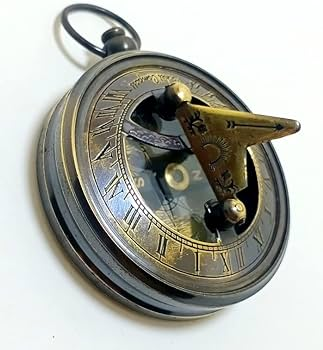
I don’t really use Loremasters. It’s too easy to lean on a powerful mysterious figure that can save a group, offer advice and guidance and provide direction. As a GM it’s basically my avatar that ends up leading the party; a role I shouldn’t have. Instead I use Navigators quite a bit. Not only do I depend on the fickle and unpredictable nature of Essaence Flows, but travel is part of the setting. Getting from one place to another can be just as challenging as the ultimate goal and Navigators are an essential tool. Navigators can be funny(I play a few favorites with a very dry and fatalistic wit) but more importantly, completely neutral. In many cases wickedly mercenary with the group.
Apparent to anyone that reads this blog, I lean heavily into the Gods. They are real and manifest, so they should have a significant role in the goings on of the world. But they are also fickle and capricious, so when they do provide aid or guidance it can be with a hidden cost or inexplicable purpose.
Of course I’ve blogged about ret-conning a number of things in Shadow World as well, but these are just some basics. I’m curious what you use, or don’t use, in your Shadow World campaign?
If you are like me (mid 50’s) and have been playing Rolemaster and using Shadow World since it’s release in the late 80’s, the publication of the Emer box supplement was a huge step forward for the Kulthea world setting. By 1990, there were over a dozen Shadow World products, but until Emer, only 2 were written by Terry: Shadow World Master Atlas and Jaiman: Land of Twilight. The other 10-12 products were by third party authors. While all of them have their strengths as game supplements, they were generic adventures that were shoe horned into the game setting and did relatively little to expand world building.
Before I dive into my thoughts on Emer, let’s quickly review where “Canon” was in 1990 and the two Terry products mentioned above. For the most part, the Shadow World Master Atlas (SWMA) was fairly generic, establishing a few SW tropes: Navigators, Loremasters and Dragonlords but mostly was meant to connect Rolemaster to a useable setting. These elements were kernels of ideas from the Loremaster module series and expanded and built off of that early material. The Flora and Fauna book was mostly generic creatures straight from Creatures and Treasures and covered all the basics from standard D&D. The timeline was only 2 or so pages and didn’t add any depth that the later Emer regionals provided.
If the SWMA set the table for the setting, Jaiman was the meal. Clearly not a regional book as it was titled, it nonetheless brought a specific tone and style to the setting. A lengthy adventure tied various elements together and promised a larger world (The Grand Campaign took this further), cool “dungeon” style tombs embraced Terry’s architectural background and fused high tech elements in a fantasy setting. It was light medieval fantasy but there was a hint of darker things: Evil Gods, Unlife and enigmatic Lords.
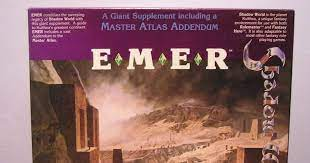
In my opinion, Emer brought a whole new vibe to Shadow World: more mature, more grimdark and more malevolence. One aspect that contributed to the look and feel of Emer was the artwork. You can’t talk about the Emer box set without referencing the incredible box art done by Les Edwards. I suspect that art launched hundreds of adventures and sold many on the Shadow World setting. Prior to his death, Terry even planned on carving the City of the Dead out of the Emer IV supplement to give it it’s due. For more Les Edwards art; interestingly, he did the cover art for the fighting fantasy books by Ian Livingstone who IIRC did one of the Shadow World fantasy fiction books?
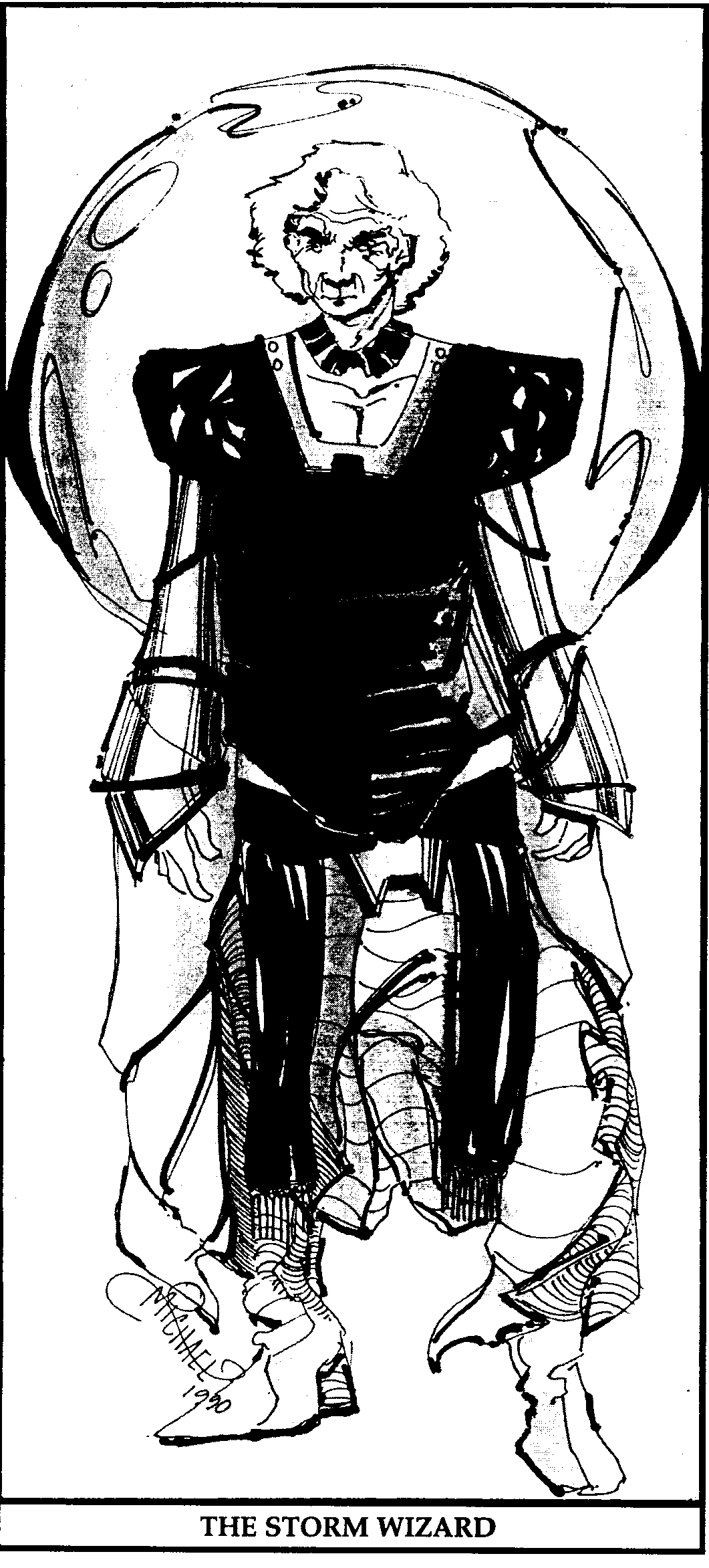
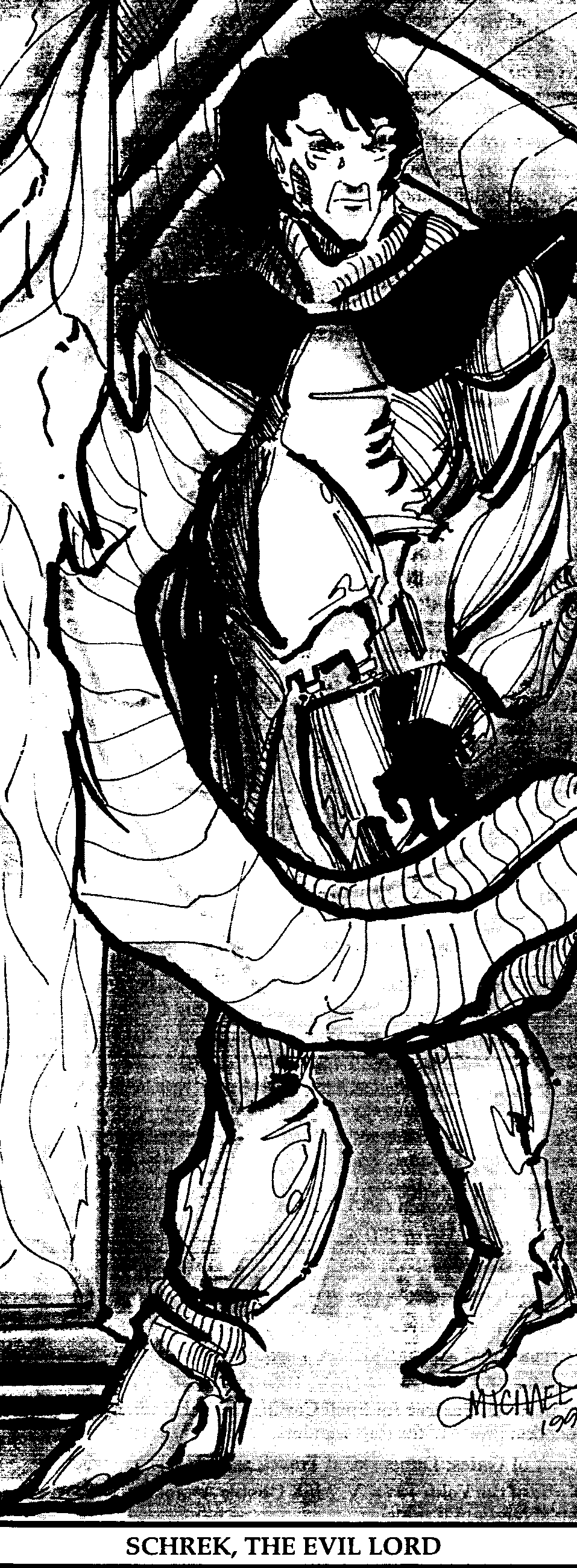
Besides the box cover, the interior art was different than that found in SWMA and Jaiman. This piece appears to be done by Michael Alexander Hernandez. It feels modern, perhaps even futuristic but foreboding. It certainly lent a different tone to the setting from previous books.
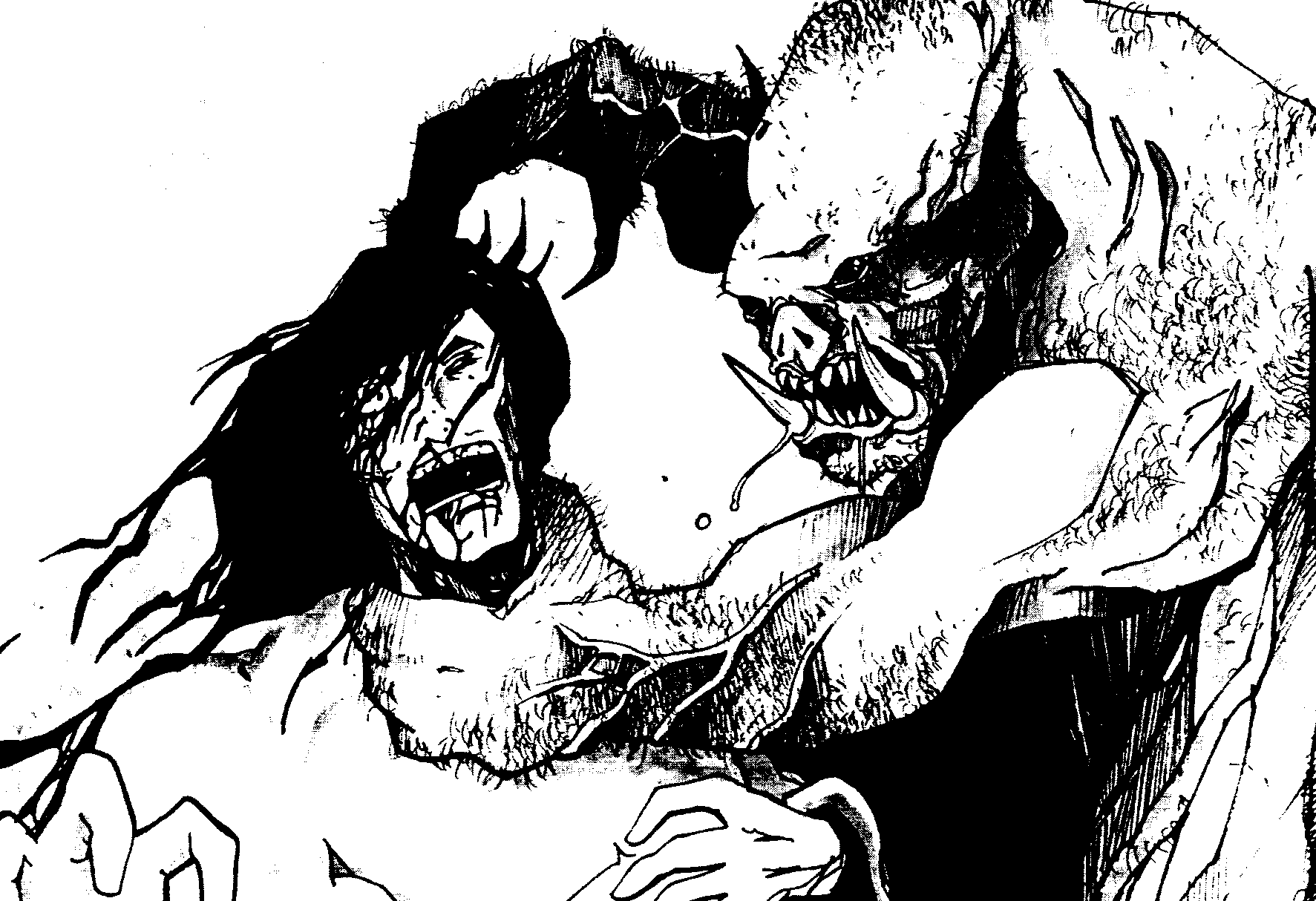
This piece doesn’t seem to have an artist signature, but it’s in the same style. While B/W, it appears to have a Lugrok tearing into the victims skull…is that rivulets of blood on his face?
History of Emer
The timeline and history of Emer introduced several powerful factions: the Jerak Ahrenrath, the Eight Orders and the Masters of Emer. In further work, the Masters have sort of disappeared, but the Jerak Ahrenrath and the Eight Orders become integral to the wider plots of Emer and the future of Kulthea itself. For me this is entirely new material that expands the Canon; none of this material was seeded in the earlier Loremaster series nor hinted at in the SWMA, so it was a delight to read and shifted my view of the setting–for the better.
Flora & Fauna
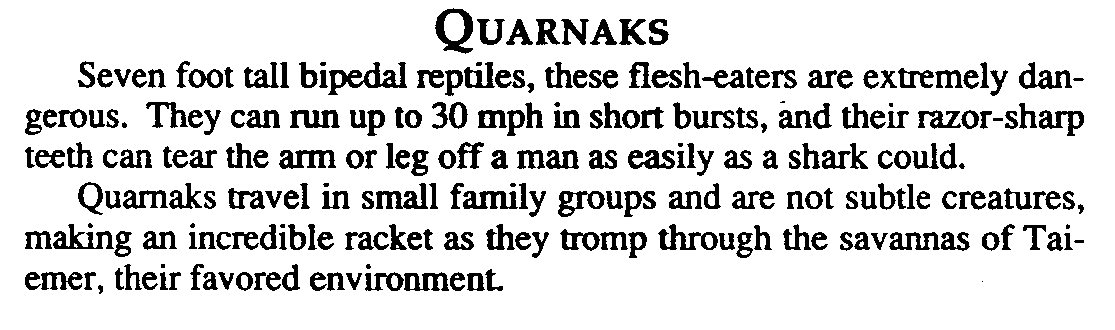
Again, Emer added to canon with some new plants and creatures. As I have argued, SW needs more of this and less Terran standard critters and plants to help in game immersion. One of my favorite (if you’ve read Priest King you’ll know this):
It’s important to note, that many of the Canon SW books introduce new flora and fauna, but these weren’t all included in future Atlas’s. For instance, the Shalish, Frask or Boerk were never included in SWMA 3 or 4. I believe I compiled a full list of plants/creatures from all of the core books to be included, but I think it’s a failing that they weren’t included in MA’s.
Races
With a new canvas to paint and a huge land area to fill in, Terry was able to expand on the races found in Shadow World. Of note are the Kuluku. Most of the new Emer races seemed to finalize the racial types found in all later books.
Geography
Part V of the main book covers the various regions which, like the rest of Kulthea are wide ranging in styles, cultures, topography and climate. The Essence Flows are given less credit for this phenomena, and I think that the later de-emphasizing of the Flows as Barriers was a lost opportunity to reinforce a key element of the setting.
This section is further expanded in the later Emer regional books and all, if not almost all of it, is found in those later books. (except for the pending and final quadrant Emer IV)
For me a few takeaways:
Kaitaine really needs it own supplement. From the glassed roof grand marketplace to the Palace of the Bankers.
Krylites are very cool and make a better foe than Orcs.
Part XI (slight spoilers)
I recall reading Emer for the first time and it was this section that really shifted by view of Shadow World. The Jerak Ahrenreth, the “Secret Circle” and it’s history became a more compelling plotline than some abstract Dark God or Evil NPC Magician. A dense world spanning history tied the past with the present made this evil and twisted cult the long term antagonist(s) for my Shadow World campaign. Much of the material seemed familiar and is reminiscent of the Court of Ardor (but that’s ok, cuz that was cool too)
The Circle of 8, the Adherents and the cool citadel layouts are Terry at the top of his game.
ATLAS ADDENDUM
The second book included in the Emer Box Set is the Atlas Addendum and this is where all the new material and cool stuff can be found.
Part I is a grab bag of topics and delves into world awareness, the nature of “good” vs “evil”, more details on other planes, and even advice on modifying Navigator charges.
Part II is the extended timeline, specific for Emer and greatly expanded in later books.
Part IX Places of Power includes a number of magical, mysterious and relevant places in SW. Most can be moved around and used anywhere. My f
Part VIII and Part X:Other Powers& Goodies
But the Jerak Ahrenreth wasn’t the only power introduced in Emer. Terry introduced is to the Eight Orders of the old Emerian Empire, let by Aldaron (a nod to Star Wars?). There is great material here, either as foils for the group or as possible back grounds for the players. And there are Yarkbalkas! We also learn about the Storm Wizard, who is retconned in later work and his 4 mysterious Storm Heralds.
The Dark Gods
Perhaps the biggest addition to Other Powers is the inclusion of the Charon pantheon, the Dark Gods. Of course this is a major expansion to the setting and impacts the metaphysics of the game, channeling and future SW products.
Artifacts& Lost Technology
Often time we buy and read supplements for the “goodies” and not necessarily to use in gaming. NPC stats, fortress layouts and cool magic items. The Emer box set delivers in spades with a good list of artifacts and notable items. I believe that most of these were never incorporated into later Master Atlas’s, so the Emer Box set is the only source for this material. Notable items include (finally…) the Ilarsiri, the Starsphere, the Leafblade, a number of books which I missed in my previous blog, powerful staves, and a slew of Lords of Essence items. Also included is the Lense of Strok, which was my McGuffin for my high level adventure series: Legends of Shadow World.
Other bits. Terry also threw is a more comprehensive look at magical materials, some Warding and a few other Spell lists and pretty good Encounter Table that I used for my version.
So why is Emer Box set worth a look?
It appears that only Emer III is currently available on DrivethruRPG. The Emer book will provide an overview over the whole continent–including Emer I & II and the pending Emer IV.
While the material was included and expanded on in Emer I-III, it was a better template than that used in Jaiman. (Assuming Xa’ar is Jaimain: NW; Wuliris is Jaiman NE; Tanara is Jaiman SE and Haalkitaine is Jaiman SW). A broad overview of a continent with smaller regional supplements seems a better format.
The addendum was the precursor to the desired “Artifacts and Technology” supplement that Terry always hinted at. There is cool stuff in this supplement.
It leaned further into the fusion of scifi and fantasy.
It established a globe spanning danger that could anchor any long term campaign.
Combined, the SWMA and the Emer Atlas basically “fixed” core canon material. Besides some smaller regional powers, some expansion on the Jinteni and some discarded ideas (like Jewel Wells) the framework is all there for future work.
Like many SW products, the Emer Box Set will never be reprinted. Perhaps the Addendum could be republished as a PDF? Or even better, a Master Compendium could be collated from all of this disparate material.
Ultimately, the Emer Box Set was the maturation of Shadow World as a setting, laying the groundwork for all subsequent material.
Some recent comments on the Forums or Discord had me collecting my thoughts on all of the predictive spells in Rolemaster. I’ve always had trouble incorporating comprehensive divination/augury in my games. My experience has been that I go one of two ways:
Make the divination result vague enough to be virtually meaningless
I have to build the spell result into my game, either by incorporating that content into the game world, or by bending the game results to meet the predicting outcome.
I find neither are good choices and I’ve also struggled with those personal biases when designing BASiL. So purposes of this blog post, I’m going to ignore various “Finding Spells” which provide information about a thing or a topic. Most of the spells are poorly designed, but ultimately those spells help provide necessary exposition; useful in a dense world build like Kulthea!
Instead, let’s delve into predictive or forward looking spells that provide information about an event. The first spells that are troublesome are found on the Astrologers Time Bridge list. I already wrote about Astrologers HERE, and since then, several others have tackled a redesign of this admittedly cool profession concept.
Guess. The first level spell just biases the players choice by 25%, perhaps a bit much for a 1st level spell and might encourage guesstimating actions, but it works well in a random rolling game system.
Intuition. Now we start down a slippery slope, with each successively higher level version looking further into the future: 2nd level peers 1 minute into the future while 15th lvl can look ahead 1 min/lvl. How should one DM that without having the “fix in”? Sure, it’s easy to match a few minutes into the future with a quickly generated answer, but isn’t this just predetermination?
Spell Anticipation. This type of spell really makes me feel constrained. First, I actually try and write out spell casting preferences for my NPC’s when designing an adventure: this was common in earlier AD&D modules (see the Slavelord series) but it’s harder to do in RM when RAW can have a spell user with 150 spells by 10th lvl! There is a lot that happens in RM combat, lots to track and NPCs and critters should be played intelligently and to the best of their ability. How can I as a GM lock a spellcaster into a particular spell they may cast in the future? And if I lock it in, how much can that tilt the balance of the combat to the PC’s favor? And is that bad?
Dreams. This is the grand daddy of railroading a party. This literally enables a GM to guide and direct the party exactly as needed: hints about which direction to go? check. Background info on a foe or item? no problem. Provide the party advice on resources and assistance? Sure, they “dreamed” that.
Thinking back, these spells are cool and I probably enjoyed and appreciated them more when I was much younger and starting out in RPG’s. And looking back at the early version of Spell Law it’s easy to see some of that influence: what D&D established, what works for a dungeon crawl, railroad vs. sandbox. But now, these spells are a real hindrance for my GM style and feel very much deux a machina.
How about you? How often do you use predictive spells in your game?
Recently there has been an uptick in discussions about Shadow World’s Navigators on both the forums and the discord server. I thought I would write a follow up to my previous blog that I wrote back in 2016, found HERE.
Navigator Cost. Given the importance of Navigators and the original concept of the Essence Flows, it makes sense that Navigator services should be affordable by the PC’s. Otherwise, what’s the point? Some people have pointed out that the published costs of Navigators (MA ed. 2) are prohibitive and when you calculate the cost for merchants and the weight of trade goods doesn’t hold up under a rational economic system. But first, let’s review the original source, The Iron Wind (not the 1st ed. parchment), where the outlines of the Navigators Guilds were germinated:
To calculate the cost of a Guild-directed trip, use as a standard unit of either one person or 501bsof cargo. Charge I gp . per mile per unit overland ; 1 gp . per 10 miles per unit by sea. An additional flat rate of 100 gp . per unit per Jump -as deemed necessary by the Navigator – is charged, with a surcharge of 10 gp . per unit per mile of Jump travel over 50 miles. (Nearly all Jumps used at the Navigator’s discretion to bypass barriers and perilous areas are less than 50 miles.)
I’m pretty sure that this price structure carried over to the Master Atlas, but do these costs even make sense given the prices for other goods and services? I would note that there is very little evidence that Terry actually GM’d in any significant way; he was a writer and creator, but may not have play tested his materials to any degree. Maybe the Navigator prices need to be adjusted?
Or perhaps we need to address what the Navigators do and don’t do.
It wouldn’t surprise me if most SW players perception of Navigators was that of high level magic users that can teleport at will, have extensive spell powers and provide passage AND safety to the group that hires them. Of course there are high level Navigators with formidable powers but the Guilds are very clear on what services they provide. In no particular order and drawn from a variety of SW books:
–They provide swift, relatively safe transport to anyone who has the money to afford their prices
–They will not transport what military personnel or items, either for the purpose of attack, espionage or sabotage
–They provide is the ability to guide people safely through the Essænce flows, and to locally influence Kulthea’s often violent weather.
–They guide ships and caravans along the safest route; they are able to teleport groups—or cargoes and even ships— across vast distances by using nearby Essænce Flows
–Direct ‘Jumps,’ , especially long ones or those involving large numbers of people, are tricky and correspondingly prohibitively expensive
–Conventional transportation—such as riding animals or sea vessels—is almost never supplied by the Guild, and in fact must be provided to the Navigator by the client. The Navigator, however, will advise the ignorant client on what mode of transport is most appropriate.
–Navigators are notoriously unsympathetic to people with no money in tight situations.
–The Navigator will not fight unless he or she is personally threatened.
–The Navigators will not communicate their knowledge to clients: transport is their trade, not information.
–The Navigator will inform a potential client if he asks to be delivered to a dangerous location.
–The official stance of the Navigators is complete neutrality.
The take away is that Navigators are primarily guides an less often are providing “Jump/Teleporation” services which are much, much more costly. But that raises a whole other issue: what powers do they really have and do they match the services they should be able to provide? There are 3 Navigator Ranks: Apprentice, Journeyman and Master that are roughly 5th lvl, 10th lvl and 20th+ level respectively. For the moment, let’s put aside any undefined abilities that the Navigator compasses may provide and just review the profession Base Lists for the Navigators, specifically: Mass Transport, Self Transport, Flow Mastery and Path Mastery.
Apprentice. (Around 5th lvl). These Navigators handle simple tasks like responding to summons via the Obelisk network and negotiate services and pricing. They may even handle simple guide services in safe areas, but they still need to teleport to the client.
Self Transport. At or around 5th lvl an Apprentice Navigator can “Jump” up to 10miles per level and Long Door up to a 1000′. So at this point, until they reach 8th lvl they can’t Teleport to a Obelisk or return to Nexus which would be the minimum requirement to handle initial requests.
Transporting Targets. Apprentices can basically do short “leaving” or “long door” with up to 3-5 targets over distances of a few hundred feet.
Weather Control. An Apprentice can control winds, perhaps calm water and predict weather.
Guidance. With Path Mastery an Apprentice has some decent skills of navigation, location and sensing hazards.
Essaence Control. Barring the ability to locate flows and foci, Apprentices are able to tap into Flows and completely replenish their PPs.
Conclusion. At just 5th level and assuming no ability to overcast, an Apprentice can’t really perform the basic duties ascribed to them. But as basic wildnerness guides they have some utility, but perhaps not more than a Druid or Ranger.
Journeyman. (Around 10th lvl). A Journeyman is allowed to lead low-risk expeditions that won’t require Jumps or high-level magical weather or Flow control. Can they do this?
Self Transport. By 10th level a Navigator can easily teleport to any Obelisk, return to Nexus and Teleport themselves up to 100m/lvl using Flows.
Transporting Targets. Journeyman can Teleport 2-3 targets 10 miles/lvl.
Weather Control. Advanced spells to calm water, control winds and call clouds.
Guidance. Journeyman gain useful spells for guidance, sensing hazards, scout ahead and create magical bridges.
Essaence Control. Slightly more advanced abilities than a Apprentice including parting a minor flow and the ability to draw power in excess of normal limitations.
Conclusion. Journeyman can probably handle most of the typical Navigators duties. At 10th level they’ll have skills and abilities based on their normal Profession (I have issue with this) so they will be competent.
Master. (Around 20th lvl). Master’s should be considered “full-fledged” Navigators with all of the abilities attested to. Let’s see:
1Self Transport. By 20th lvl a Navigator can basically transport themselves pretty much anywhere.
Transporting Targets. Have the ability to Teleport up to 20 targets 10 miles/lvl.
Weather Control. Excluding complete mastery of weather, Master’s can modify skies up to 1 mile/lvl for 1 hr/lvl.
Guidance. Slightly more advanced than a Journeyman with longer range of senses.
Essaence Control. Masters have the ability to “ride the flows” and by 25th lvl can part Major Flows.
Conclusion. Masters are basically the “full package” but don’t have the ability to move large groups and objects (like Skyships) via Teleport until 50th lvl, and even that is limited by size and range. So the reputed powers of Jumping ships to avoid danger is only held by a few of the most powerful Navigators.
Additional thoughts and comments:
The Navigator spell lists are a mess. Some of it seems like lack of editing but there are quite a few useless spells and some useful abilities are missing. I have it on my list for BASiL treatment.
Exact powers of Compasses are never enumerated, but to address some gaps in Navigators abilities, it would easy to assume that compasses provide the ability to cast above your level–I think 10 levels over would be adequate. Apprentices are given “lesser Compasses” (of more recent fabrication). Perhaps these only allow to cast 5 levels above.
Why would Navigators spend days or weeks guiding parties when they could just Jump them quickly and be on their way? Well as written, the Nav spell lists just don’t provide that ability. Other reasons could be the risk involved, factors due to the loss of the Northern Eye, difficulty in Jumping through various Flows, Storms and Foci for longer jumps.
Why would high level Navigators even stoop themselves to such a mundane task? First, powerful Navigators would only be tasked with the most risky assignments. Second, they are probably working for powerful or wealthy entities which could provide valuable intel or insight. Third, it isn’t inexpensive and they need to keep the lights on!
How many Navigators could there possibly be? If you want Navigators to be an element in the game, they can’t just be a legend or rumor–they need to be seen and attainable. But imagine all of the trade, all of the Obelisks and the apparent need for Navigators to, at least, help bypass Essaence Barriers. Would there need to be thousands of Navigators? Tens of thousands?
How many Compasses could there be? The first batch was found in the City of the Dead, consisting of “a dozen magical wristbands”, and then more were found of various designs. All are thought to be of Ka’ta’viir construction. Are there hundred or thousands? Certainly not tens of thousands. We know that the Ka’ta’viir were a small population subset of the Althans, perhaps a few dozen families. Can they be copied? They are supposedly intelligent…by whom or what? (that could lead to an interesting adventure if compasses were corrupted or changed..)
Where did the Navigator Base lists come from? The Loremasters helped the early Nav’s to figure out the compasses, but spell lists access is controlled. Nav and Loremaster base lists are considered “Arcane”, which date back to proto realms times. Maybe the intelligent compasses themselves have the spell lists and grant their use via attunement.
As NPC’s this is mostly a thought exercise. Terry is known for bending, or ignoring, the Rolemaster ruleset to fit his world building. Certainly we can handwave away any inconsistencies. However, I think there is work that could be done to tighten up the Navigators, and I’m all for hidden knowledge escaping–why shouldn’t a player character discover these erudite lists or find a compass themselves in some unplundered tomb?
Back in 2021 I started listing out certain topics and content in Canon Shadow World that I thought should be re-examined and possible modified in any future work. One item I find particularly problematic is the introduction of the “Anti-Essaence”.
There are many threads to untangle in this subject and there are many threads on the RMForums and the Discord channels that touch upon it. Certainly everyone’s approach will be driven by their own campaign, ethos and background, but one of the first things I found appealing about Shadow World was it’s moral relativism. The inclusion of the “Anti-Essaence” feels very much like an attempt to square some circles created by the Unlife in general.
Many fantasy games have clear dualities, with opposing forces of absolute good and evil and graduations in between (alignment system of AD&D). The need for absolute evil is clear justification of any player actions within the game system, and simplified the narrative and direction of player action.
So before we get to the Anti-Essaence let’s review Terry’s thoughts on evil per the Master Atlas 4th Ed.
“Good” and “Evil” fall at the two extreme ends of a spectrum; most thinking beings exist somewhere in the middle ground.…. True Evil, the evil that is fostered by the Unlife, is the drive to destroy— and to feed on that destruction.… Without attempting to make a judgment on what is “evil” and what is not, the concept of pure, true, universal evil in the context of Shadow World applies only to the Unlife and its willing servants….
So obviously this leads to a number of problems discussed ad nauseum:
Are there inherently evil races?
2. Are Demons of the Unlife?
3. What’s the deal with the Dragonlords?
4. How do you tap into the power of the Unlife?
5. How does Unlife corruption work?
6. Are there 2 sets of power points?
7. Are Spell Law Evil Spells of the Unlife?
7. If “Evil Spell Lists” are channeled from the Unlife, how does an Essence Magic User actually be a Channeler?
There seems to be clear demising wall established by Terry, if they aren’t of the Unlife, they aren’t “True Evil”–whatever that might mean for you. But then we bring in the Anti-Essaence.
The Anti-Essaence concept seems more of “rule for rules” to try and patch up or systemize a muddy system. But the problem is that the Essaence isn’t actually the opposite of the Anti-Essaence: the Essaence is just power, neutral in nature. It’s application can be either beneficial or hurtful. Are Sorceror spells any less or more evil than the Evil Magician spell list solid destruction? What isn’t evil about a fireball painfully incinerating an opposing force? Is subjugating a person against their will with a Charm spell, good and just?
Let’s examine this through the lense of the Dark Gods. Is Andaras absolutely evil and a user of the Unlife? (I know a few cat owners who would think so!!). Many of the Dark Gods have easily found, public temples in all the major cities. Does it make sense that a incomprehensible entity of undying malevolence, that seeks the destruction of all life, would manage and maintain the administration of a such a temple? Would that God even be tolerated in a city? It’s clear that Terry doesn’t treat the Dark Gods as “Gods of the Unlife”. (In my SW campaign, the Dark Gods are outcasts from Orhan which makes far more sense)
How did the Anti-Essaence get inserted into Shadow World? The source of power of the Unlife needed to fit into the Realm and magical system. There needed to be a game mechanism to model “power corruption” and thus the concept of the “Anti-Essaence” was included into a later edition of the Master Atlas.
I don’t believe it was necessary and I see no issues with Essence or Mentalism users being corrupted and essentially becoming “Channelers” of the Unlife. In short, “Anti-Essance” isn’t necessary, it doesn’t clarify any confusion, and it complicates an intangible framework of morality. If Essaence isn’t “pure good” than there is no need for Anti Essaence of “pure evil”.
The section on “Artificial Beings” in the Master Atlas is a bit of mixed bag, but also contains some undeniably cool material. There are 7 different types of creatures classified as “Artificial” but I don’t think the category holds up well after a cursory inspection. There seems to be some fungibility between the words “artificial” and “construct” to the point of conflation.
So what are “Artificial Beings”?? In the first few paragraphs of the first entry, “Kaeden” we have this:
Like all constructs, Kæden cannot reproduce.
Further reading implies that many of the artificial beings were created in the First Era, mostly by Kaedena. Out of the seven though, only Kaeden, Gogor, Shards and Neng really meet the general definition of an “Artificial” being and then it confusingly states that:
Neng are able to reproduce, though may not interbreed with other races. In this way they qualify as a ‘race’,
I’ve written about N’eng here, and I think there is a strong argument that they should be moved to the Race section with the explanation that they were originally created, but have since developed through reproduction. They are certainly unlike immortal Shards, Kaeden that can “hibernate” or Gogor that were stored in jars for millennia. If you think about it, it implies that many of the races present on Kulthea were either created by the Althans or perhaps by the Lords of Orhan. Doesn’t that essentially make all races “artificial beings”?
The other three “artificial” creatures are: Sentinels, Golems and Elementals. Sentinels are “guarding statues”, immovable “golems” and I would argue that both should be categorized as true “Constructs”. The last, Elementals, are a curious entry in this category. Certainly they are summoned, and perhaps occur naturally via Essaence effects, but I’m not sure they belong here. A revamp of the Master Atlas could clump these in a “Elemental Creature” category (zephyr hounds, elemental demons etc) or perhaps under an expanded category of “Summoned Creatures”.
All in all this is a awkward category but I still love it. Kaeden, Shards and Gogor are unique, Shadow World specific monsters, that deserve more attention. I think there is room for even more unique creatures to define this setting and there is certainly room to reorganize the creatures presented in the Master Atlas. It’s clear that Terry generally avoided the standard fantasy creatures and leaned heavily into humanoids, Demons and servants of the Unlife. There seems to be few “Monsters of the Week” in Terry’s adventures, and in that spirit, any future works should reflect that ethos.
Certainly Shards are notable, but has anyone used Kaeden or Gogor in their SW adventure? Has anyone come up with a new creature that fits well into Shadow World and want to share?
Today I thought I would throw out some broad questions relating to Shadow World content and the timeline. It’s understandable that after 30 years and a dozen books you can find some discrepancies in Terry’s work, but sometimes there is more of a “Mandela Effect” where broadly held assumptions don’t match the text. Case in point, “Demons” are often depicted as being creatures of the Unlife, but is that accurate?
We no longer have the option of “Ask Andraax”, but most answers can be found with a quick search of the Master Atlas. I’ve explored some of these questions in depth before and I’ve provided my own solutions but I’m seeing increased activity and new participants in SW threads (probably due to RMU) so it might be a fun exercise for readers that haven’t had much exposure to Shadow World!
Can you answer these without referring to the books?
Are Demons of the Unlife? and When were Demons introduced to Kulthea?
When did the Unlife appear?
When did Elves appear and where did they come from?
When did the Essaence split into the three realms?
When did the Lords of Orhan appear?
When did the Dark Gods appear on Charon?
Where did the Dragonlords come from?
What do you think? What’s the right answer or what would be a better answer if Canon isn’t definitive? What other questions do you have about Shadow World?
Have fun and while you ponder these I’m working on my comprehensive Shadow World Trivia Test that I will publish next week!
It’s quite often that I see an online comment from a new Shadow World player about what books to buy. More specifically what Master Atlas might be appropriate putting aside the availability of each edition.
When I’m working on new material and always keep both the 3rd Ed. and 4th Ed. opened up as reference. For the most part, they are identical, barring the inclusion of “Character Creation” and “Bay of Izar” material in the 4th Edition. Generally I prefer the layout, typeset and organization in the 3rd Ed.
One small detail that strikes me the most is the interior title of the book. In the 3rd Ed. we see this:
THE MASTER SHADOW WORLD ATLAS AND ENCYCLOPEDIA KULTHEA THIRD EDITION
I believe this is the first time we see the term “Encylopedia” to describe the volume. I wonder if Terry wanted to differentiate between “Atlas” material that covers maps and places and the broader information that’s best described as “Encyclopedia”. By the 4th Edition, however, it’s back to this inner title:
ShadowWorld: Master Atlas 4th Edition
I’ve always been a proponent of expanding the Atlas substantially, and 3rd Ed. seemed like a start to that. Assuming people have access to multiple editions, what is your preference, 3rd or 4th Ed. and why??